In a world rich with diverse cultures, histories, and traditions, home and décor have evolved far beyond mere function. They have become powerful expressions of identity, lifestyle, and heritage. Across continents and countries, people are transforming their living spaces into reflections of their values, artistic preferences, and the environments they live in. The global landscape of home and décor is a fascinating blend of timeless tradition, innovative design, sustainability, and regional flavor.
Cultural Influence in Global Interior Design
Every culture brings its unique flair to the concept of home décor. For example:
-
Japan embraces wabi-sabi—a minimalist approach that appreciates imperfection and natural elements. Japanese interiors often feature tatami mats, sliding doors, and a peaceful harmony between indoor and outdoor spaces.
-
Moroccan décor is famous for its rich colors, intricate mosaics, arched doorways, and elaborate lanterns. It offers a warm and exotic feel that blends well with both traditional and modern homes.
-
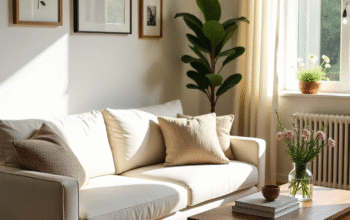
Scandinavian design, originating from countries like Sweden, Denmark, and Norway, emphasizes simplicity, function, and beauty. Clean lines, neutral tones, and natural materials like wood and wool dominate this aesthetic.
-
In India, vibrant colors, carved furniture, and spiritual elements like incense holders or prayer corners add depth and meaning to the home space.
By integrating elements from different parts of the world, designers and homeowners create eclectic interiors that tell a story—bridging continents through design.
Sustainability: A Global Priority
The shift toward eco-friendly living has influenced home and décor worldwide. As climate awareness grows, more consumers are opting for sustainable materials and ethical manufacturing.
-
Bamboo flooring, reclaimed wood, organic cotton fabrics, and low-VOC paints are just a few of the sustainable options being used today.
-
Upcycling and DIY décor projects are gaining popularity in urban homes, encouraging creativity and reducing waste.
-
In countries like the Netherlands and Germany, “green homes” incorporate solar panels, vertical gardens, and energy-efficient insulation as standard features.
Sustainable design is not just a trend—it’s a movement that reflects a collective responsibility toward the planet.
Technology and Smart Living
Technology has redefined how homes are designed and experienced across the globe. Smart décor is now becoming a part of modern lifestyles, from luxury homes in New York to compact apartments in Tokyo.
-
Smart lighting, voice-controlled appliances, automated curtains, and security systems provide convenience and efficiency.
-
Virtual interior design tools allow homeowners to visualize furniture layouts, wall colors, and decorative changes before making purchases.
-
Integration with home assistants like Alexa, Siri, and Google Home helps manage day-to-day tasks and create a personalized environment.
This fusion of décor and digital technology ensures that homes are not only beautiful but also intelligent and responsive.
Urban vs. Rural Aesthetic
The contrast between urban and rural home décor is visible across all continents. In bustling cities like New York, London, or Dubai, compact, modular furniture, contemporary art, and smart design are used to maximize limited space. These homes often lean toward modern or industrial styles with neutral palettes and sleek finishes.
In contrast, rural homes—whether it’s a Tuscan villa, a farmhouse in Texas, or a cottage in rural Japan—celebrate rustic charm. Exposed beams, vintage furniture, and handwoven textiles highlight craftsmanship and comfort. These settings often feel more relaxed and are rooted in nature and heritage.
Global Decor Trends in 2025
The world of home décor continues to evolve. As of 2025, several global trends are making headlines:
-
Biophilic design: This approach emphasizes a connection to nature, incorporating indoor plants, natural light, and organic materials.
-
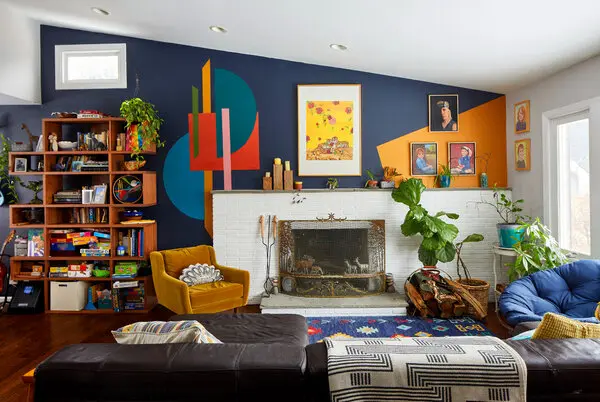
Maximalism: After years of minimalist dominance, bold colors, mixed patterns, and rich textures are making a comeback in homes from Paris to Cape Town.
-
Multifunctional furniture: Especially in urban centers, furniture that serves multiple purposes—like a sofa that turns into a bed or a desk with built-in storage—is in high demand.
-
Cultural fusion: Homeowners are blending traditional motifs with modern elements—such as combining an African mud cloth throw with Scandinavian furniture—to create globally inspired interiors.
Conclusion
Home décor is more than just styling a space—it’s a celebration of individuality, culture, and creativity. Around the world, people are curating their living environments not only for comfort and aesthetics but to reflect personal journeys and shared global values.
From the serene Zen gardens of Japan to the vibrant tiles of Morocco, from smart New York lofts to cozy Tuscan cottages, the diversity in home décor reveals how interconnected and creative the world has become. As we embrace innovation, sustainability, and cross-cultural inspiration, the homes we live in continue to evolve—beautifully telling the story of humanity, one room at a time.