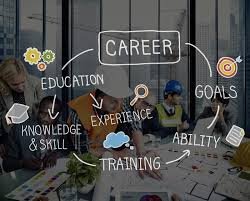
A career is more than just a job or a means to earn money—it is a journey that shapes our identity, defines our purpose, and influences the quality of our lives. Whether you are just starting out, planning a career change, or striving for advancement in your current profession, understanding what a career means and how to manage it effectively is essential to long-term success and satisfaction.
What Is a Career?
A career is the pursuit of a lifelong ambition or the general course of progression toward lifelong goals. Unlike a job, which might be short-term or task-specific, a career involves a series of connected employment opportunities, where one builds up skills and gains experience over time. It reflects your interests, values, and passions, and typically includes your educational background, work experience, and professional development.
Choosing the Right Career Path
Selecting the right career is one of the most significant decisions in a person’s life. Ideally, a career should align with your strengths, interests, and personal values. However, external factors such as job market trends, salary expectations, and societal pressure can also influence your choice.
Here are a few steps to choosing a suitable career:
-
Self-assessment: Understand your interests, personality type, values, and skills. Career assessment tools or guidance counselors can help identify areas that suit you best.
-
Research: Explore different industries and roles. Consider job outlooks, required qualifications, and typical career paths.
-
Experience: Internships, volunteering, and entry-level positions are great ways to gain hands-on knowledge and discover what suits you.
-
Set goals: Define short-term and long-term goals and identify the skills and education needed to reach them.
Education and Skill Development
Education plays a vital role in shaping your career. Whether it’s a college degree, vocational training, or certification in a specialized skill, learning equips you with the tools needed to succeed.
In today’s fast-paced, tech-driven world, lifelong learning is crucial. Industries evolve, and staying competitive often means continuously updating your skillset. Online courses, workshops, and seminars can help professionals stay current and enhance their expertise.
Career Advancement and Growth
Climbing the career ladder takes time, effort, and strategic planning. To grow professionally:
-
Build a strong network. Networking helps you learn about opportunities, gain advice, and establish valuable connections in your industry.
-
Seek mentorship. A mentor can provide guidance, share experiences, and help you avoid common mistakes.
-
Show initiative. Volunteer for challenging projects, seek feedback, and show that you are willing to grow.
-
Adaptability. Embrace change and be willing to step out of your comfort zone when new roles or technologies emerge.
Career growth doesn’t always mean moving up; it can also mean lateral moves into new roles or departments to diversify your experience.
Work-Life Balance
An essential component of a successful career is maintaining a healthy balance between your professional and personal life. Burnout and stress can hinder performance and negatively affect mental health.
To maintain balance:
-
Set clear boundaries between work and personal time.
-
Take regular breaks and vacations.
-
Prioritize health and relationships.
-
Choose a career path that aligns with your lifestyle preferences.
Remember, success isn’t only measured in promotions or pay raises but also in well-being and fulfillment.
Changing Careers
It’s not uncommon for people to switch careers, even multiple times throughout their lives. Whether due to evolving interests, better opportunities, or industry shifts, changing careers can be both exciting and challenging.
To transition smoothly:
-
Reflect on why you want a change.
-
Identify transferable skills.
-
Pursue training or certifications to bridge any skill gaps.
-
Network with professionals in your new field.
With the right mindset and planning, career changes can lead to more meaningful and satisfying work.
The Future of Careers
The career landscape is changing rapidly due to technology, globalization, and automation. New industries are emerging, and remote work is becoming more common. In this environment, flexibility, digital skills, and a willingness to learn are more important than ever.
Fields like artificial intelligence, renewable energy, healthcare, and cybersecurity are expected to grow significantly. Meanwhile, soft skills such as communication, problem-solving, and emotional intelligence remain valuable across all sectors.
Conclusion
A career is a journey that reflects who you are and what you aspire to be. Whether you’re pursuing your passion, aiming for financial security, or seeking to make a difference in the world, thoughtful planning and continuous growth are key. By choosing the right path, investing in your skills, and maintaining balance, you can build a career that brings both professional success and personal fulfillment.