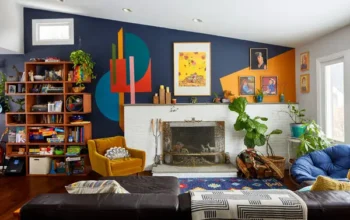
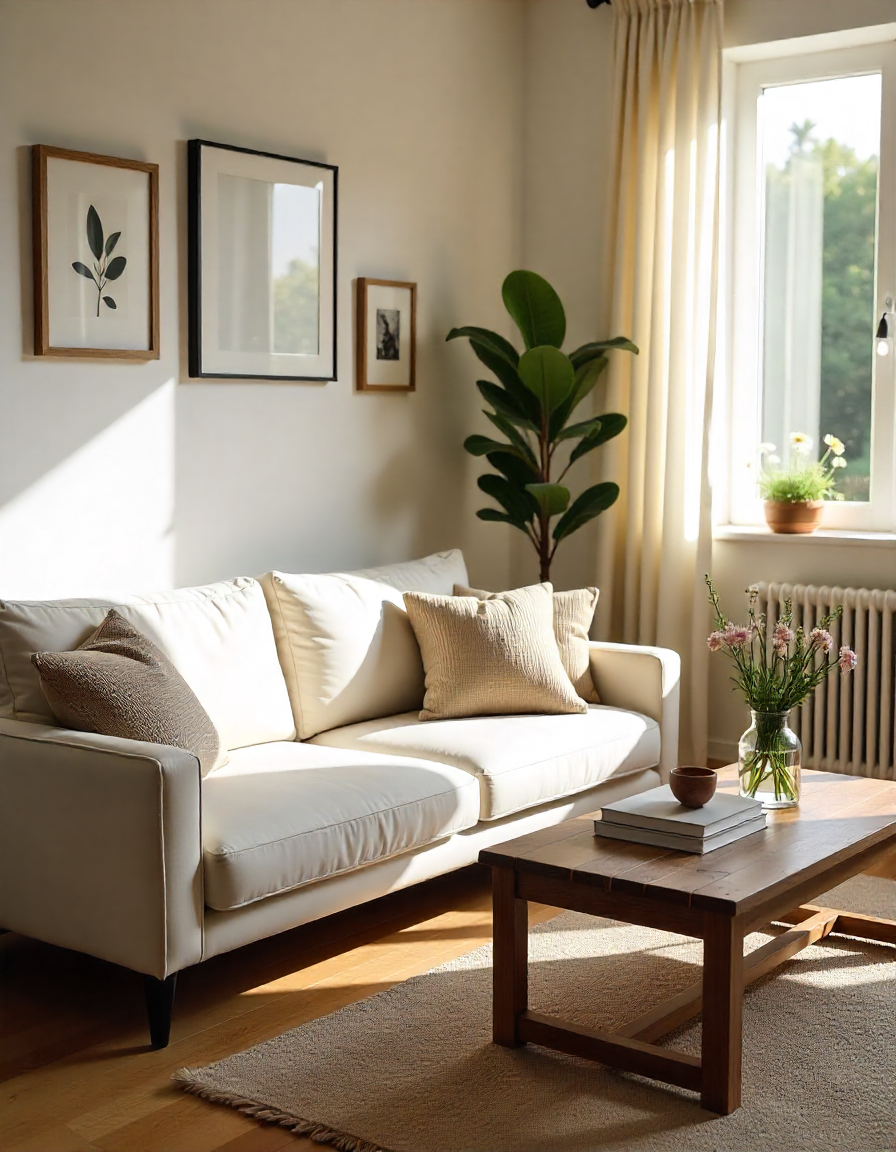
Interior design often gets portrayed as a glossy, magazine-perfect world where every pillow is plumped just right, and every room follows a strict aesthetic. But real homes — the ones we actually live in — aren’t about perfection. They’re about personality, comfort, and the way spaces make you feel when you walk through the door.
If you’ve ever wondered how to make your home feel more like you without spending a fortune or following rigid trends, the answer lies in blending thoughtful choices with your own story.
Start with How You Want to Feel
Before you think about color palettes, furniture, or wall art, ask yourself a simple question: How do I want to feel in this space?
For example:
-
Bedroom: Calm, cozy, restful.
-
Living room: Welcoming, warm, connected.
-
Kitchen: Inviting, energizing, functional.
When you define the mood first, decorating becomes easier. Every choice — from the rug texture to the lighting — can be guided by the feeling you want to create.
Layer, Don’t Overhaul
A common mistake is trying to redo an entire space in one go. Instead, think of decorating like building layers over time. Start with the essentials, then gradually add pieces that carry meaning — a framed photograph, a vintage lamp, a throw blanket from your travels.
Layering not only prevents rushed decisions, it gives your home character. Spaces that evolve tend to feel more personal than those designed all at once.
Mix Old with New
Some of the most interesting homes mix modern functionality with pieces that have history. That could mean pairing a sleek sofa with your grandmother’s coffee table or hanging contemporary art above a mid-century dresser.
Older pieces bring warmth, stories, and a sense of grounding, while newer items keep the space feeling fresh.
The Role of Texture
People often focus on color when decorating, but texture is just as important. A neutral room can feel rich and inviting if it includes a mix of surfaces — soft linens, rough wood, smooth ceramics, woven baskets.
Texture creates visual depth and makes a room feel tactile, encouraging people to linger and touch.
Lighting Sets the Tone
Lighting is one of the most powerful yet overlooked tools in home design. Overhead lights can feel harsh, while layered lighting — a combination of ceiling, floor, and table lamps — creates warmth and dimension.
Some tips:
-
Use warm-toned bulbs for a cozy feel.
-
Place lamps at different heights to avoid flat lighting.
-
Add dimmers where possible for flexibility.
Even a modest room feels more inviting when it’s lit thoughtfully.
Color as a Storytelling Tool
Choosing colors isn’t just about following trends — it’s about shaping atmosphere. Soft blues and greens can be calming; earthy tones can feel grounded; bold jewel colors can energize.
If you’re unsure, start with small doses — a cushion, a vase, or an accent wall — before committing to larger areas.
Bringing Nature Indoors
Natural elements instantly make a space feel more alive. Houseplants, fresh flowers, wooden accents, and stone surfaces all add texture and calmness.
You don’t need a jungle of greenery; even a single potted plant on a windowsill can change the energy of a room.
Personal Touches Matter Most
The most beautiful homes often have elements you won’t find in a catalog: a shelf of favorite books, a collection of postcards, a wall of family photos. These details tell your story and make visitors feel like they’re stepping into your world, not just a styled space.
Keep Function in Mind
Aesthetics matter, but functionality is what makes a home truly livable. Before buying something, ask yourself:
-
Does it serve a purpose?
-
Will it last?
-
Does it work with how I actually use this space?
Beautiful but impractical items tend to gather dust or cause frustration.
The Power of Rearranging
Sometimes the best update doesn’t involve buying anything new. Moving furniture, swapping rugs between rooms, or re-hanging art at eye level can completely refresh a space.
Experiment — you might find your favorite layout by accident.
Editing Is as Important as Adding
A well-designed home isn’t just about what you include — it’s also about what you remove. Too many items can crowd a room, hiding the pieces you love most.
Once in a while, step back and ask, “If I were seeing this room for the first time, what would I notice?” Then remove anything that distracts from that focus.
Letting Your Home Evolve
Tastes change. Life changes. A home that feels right today might need a refresh in a few years, and that’s natural. The best spaces grow with you — they’re not frozen in time.
You don’t need to chase trends or impress anyone. The goal is a space where you feel at ease, inspired, and connected.
Final Reflection
Your home is more than a container for your life — it’s a reflection of it. Every object, color, and texture carries a little piece of your story. You don’t need to fill it with expensive things or match a Pinterest board to make it beautiful.
What makes a home truly special isn’t perfection — it’s the way it makes you and the people you love feel the moment they step inside.